English
تطبيقات الترشيح عبر الصناعات المختلفة
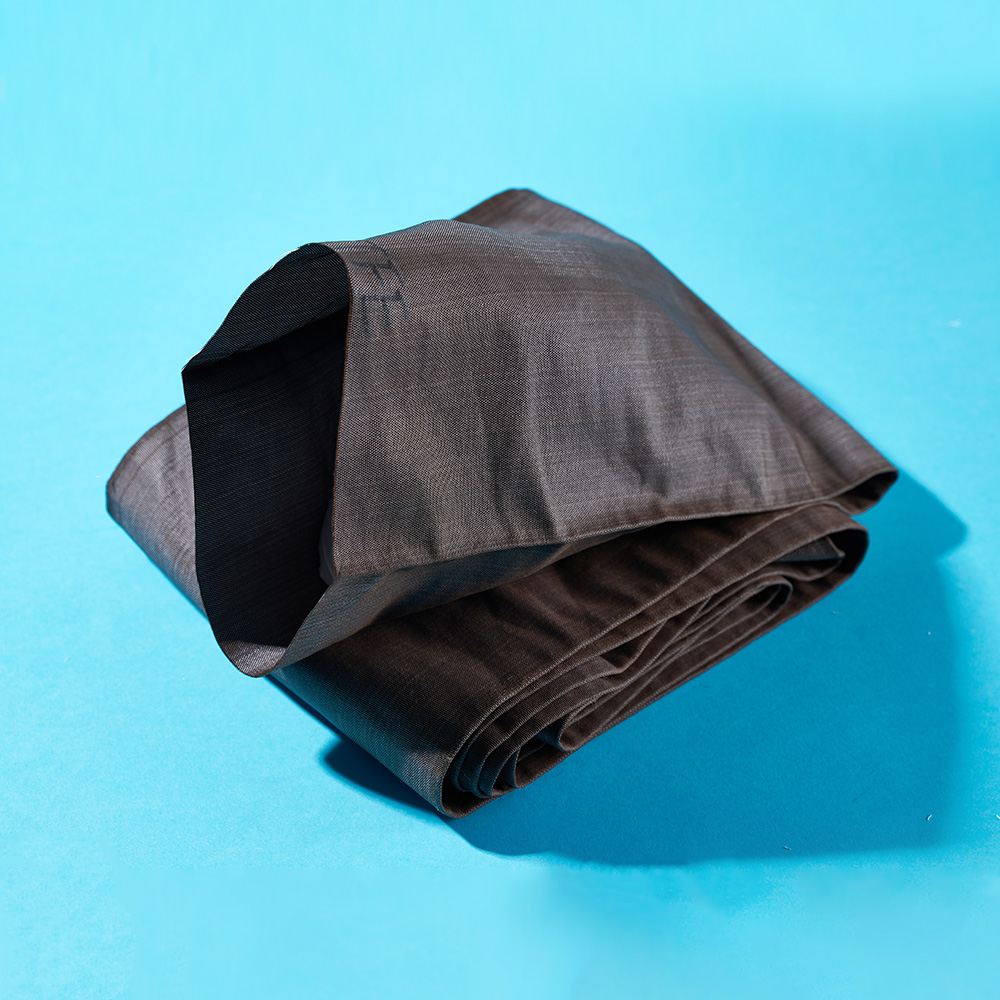
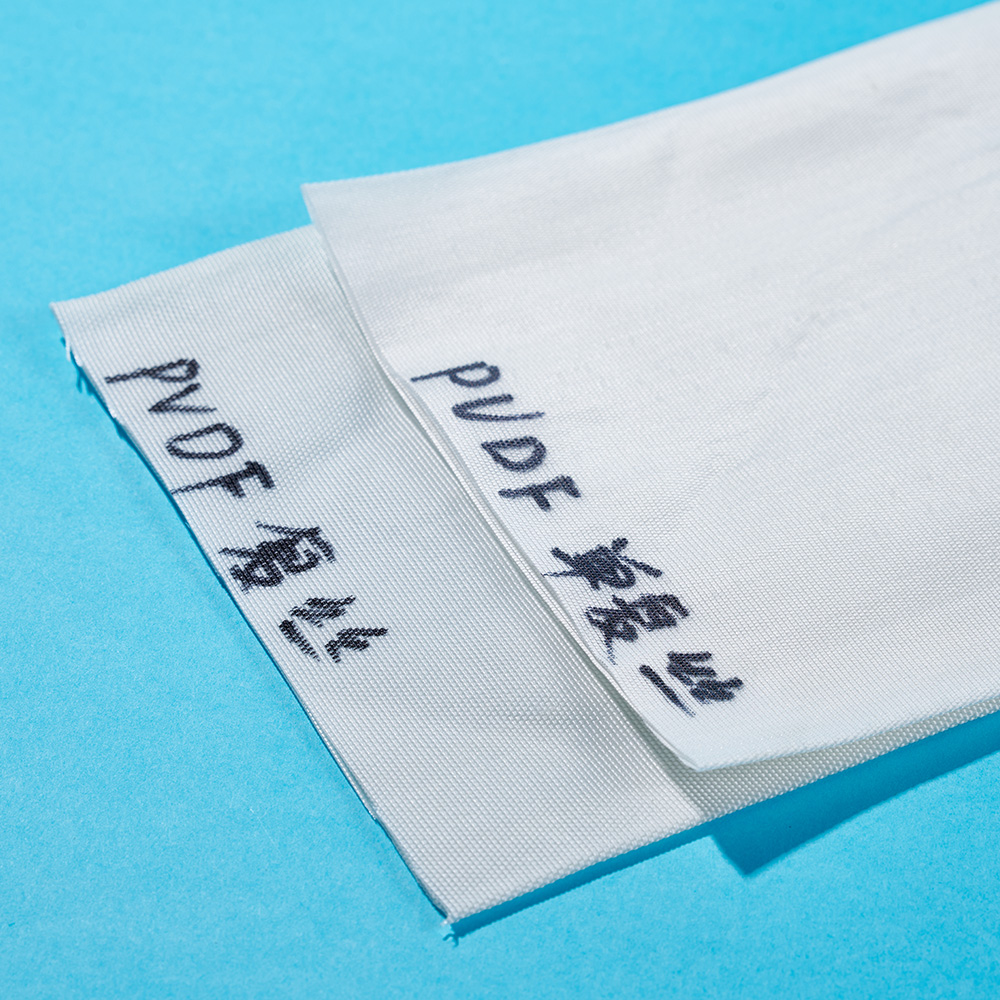
شبكة مرشح منسوجة من البوليفلوروألكوكسي (PVDF). يمكن دمجها في معدات الترشيح، والشاشات، والخراطيش، وعناصر التصفية، ومكونات الفصل المخصصة. يمكن أن تشتمل تطبيقاته على ترشيح السوائل، وفصل المواد الصلبة والسائلة، وفحص سوائل المعالجة.
في المعالجة الكيميائية، قد تواجه مكونات الترشيح سوائل عدوانية أو مخاليط معالجة. يمكن للشبكة المقاومة كيميائيًا أن تساعد المهندسين في اختيار بنية المرشح التي تتوافق مع خصائص وسط العمل.
يمكن أيضًا أخذ المادة في الاعتبار بالنسبة لمعدات المختبرات ووحدات المعالجة الصناعية حيث يلزم وجود فتحة شبكية محددة. تسمح مواصفات الشبكة المختلفة بتصميم مكونات الترشيح حول أحجام جسيمات وظروف تدفق محددة.
يؤثر فتح الشبكة على نتائج الترشيح
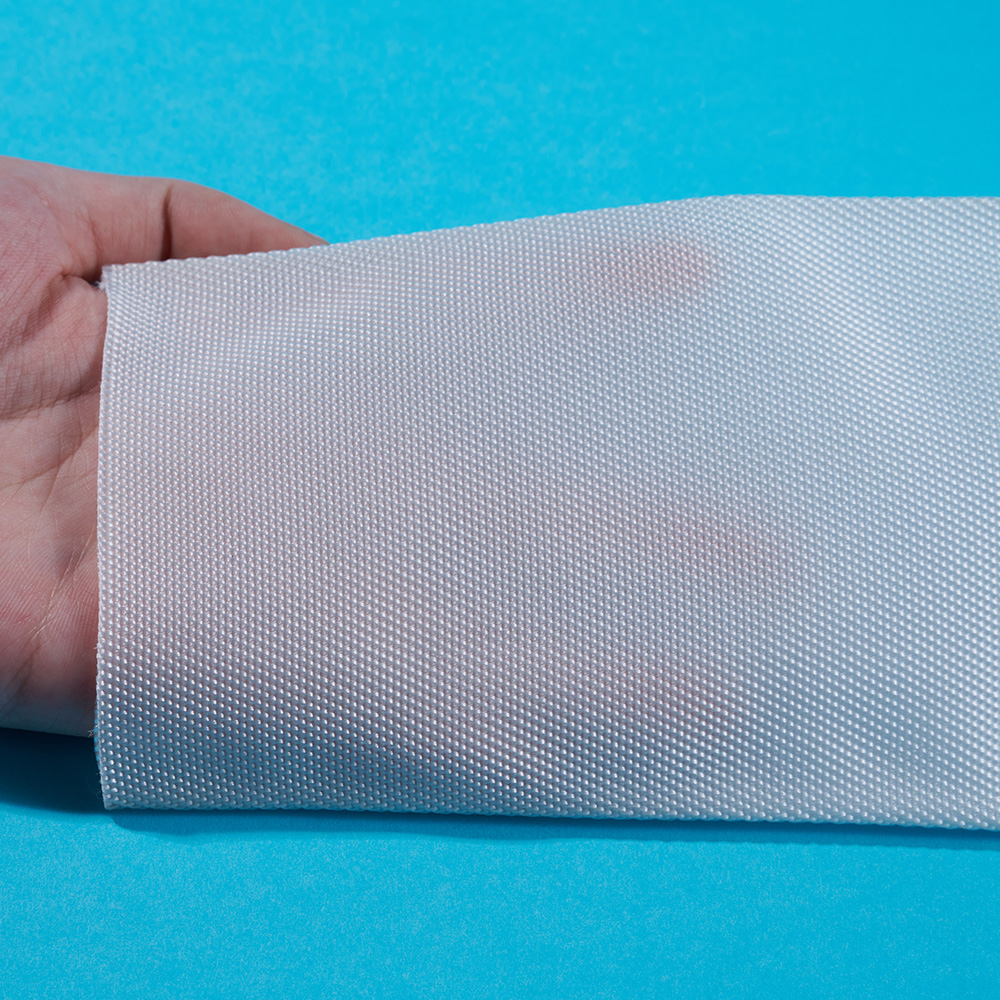
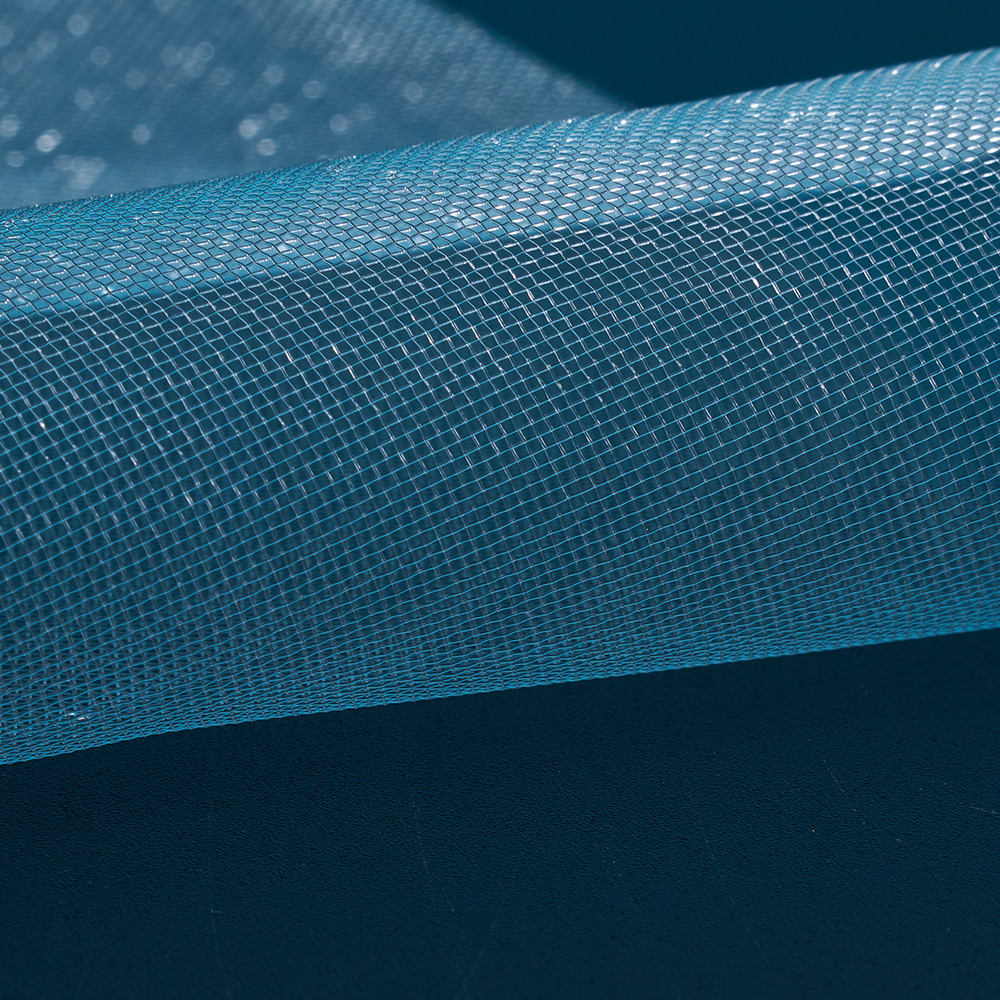
يعد فتح الشبكة أحد المعالم الرئيسية في الترشيح المنسوج. يمكن للفتحة الأصغر أن تحتفظ بالجزيئات الدقيقة، بينما تسمح الفتحة الأكبر بمرور أكبر للسوائل ويمكن أن تكون مناسبة لفصل المواد الخشنة.
ومع ذلك، لا يتم تحديد أداء الترشيح من خلال حجم الفتح وحده. سمك الفتيل، ونمط النسيج، وخصائص المواد، ولزوجة السوائل، والضغط، وشكل الجسيمات يمكن أن تؤثر جميعها على التشغيل الفعلي.
لهذا السبب، يقوم المهندسون عادةً بتقييم عدة مواصفات قبل اختيار الشبكة. يعد التوازن بين احتجاز الجسيمات وقدرة التدفق أمرًا مهمًا للمعدات التي تحتاج إلى معالجة مستمرة.
لماذا تعتبر مادة PVDF مهمة
يمكن أن تؤثر مادة البوليمر المستخدمة في المرشح على كيفية تصرف المكون عند ملامسته لوسائط المعالجة. يوفر PVDF مزيجًا من المقاومة الكيميائية والقوة الميكانيكية واستقرار الأبعاد الذي يناسب بيئات الترشيح الصناعية المختلفة.
ولذلك يمكن أخذ شبكة الترشيح المنسوجة Polyfluoroalkoxy (PVDF) بعين الاعتبار عندما يتطلب المشروع وسيلة ترشيح منظمة بدلاً من شاشة بسيطة. يسمح البناء المنسوج أيضًا للمصنعين بإنتاج أعداد مختلفة من الشبكات وتكوينات الفتح لتصميمات معدات محددة.
بالنسبة لفرق المشتريات، يجب مراعاة توافق المواد جنبًا إلى جنب مع حجم الشبكة وقطر الفتيل وعرض اللفة والسمك وأبعاد المكونات.
المواصفات المخصصة لدعم تصميم المعدات
نادرًا ما تشترك أنظمة الترشيح الصناعية في نفس المتطلبات تمامًا. قد يحتاج مصممو المعدات إلى فتحة شبكية أو عرض أو سمك أو شكل معين. يمكن معالجة الشبكة المنسوجة بأشكال مختلفة وفقًا لهيكل مكون الترشيح.
تتطلب بعض التطبيقات لفات لمزيد من التصنيع، بينما يحتاج البعض الآخر إلى أقراص أو صفائح أو أنابيب أو عناصر تصفية مخصصة. يمكن أن يؤدي التحكم في المواصفات إلى تبسيط التكامل في معدات الترشيح الموجودة.
إن الجمع بين مادة البوليمر والبنية المنسوجة يمنح شبكة المرشح المنسوجة Polyfluoroalkoxy (PVDF) موقعًا مفيدًا في الترشيح الصناعي. هيكلها المنظم، ومواصفات الشبكة القابلة للتعديل، والمقاومة الكيميائية تجعلها مناسبة للتطبيقات حيث يؤثر اختيار المواد بشكل مباشر على تصميم الترشيح.
يركز الاختيار على متطلبات العملية
اختيار أ شبكة مرشح منسوجة من البوليفلوروألكوكسي (PVDF). يجب أن يبدأ بوسط العمل وهدف الفصل. يمكن أن يؤثر حجم الجسيمات وخصائص السائل وظروف الضغط والتدفق المطلوب وفتح الشبكة وأبعاد المعدات على المواصفات النهائية.
إن الفهم الواضح لهذه العوامل يساعد المصنعين والمشترين على توصيل المتطلبات الفنية بشكل أكثر كفاءة. بدلاً من اختيار شبكة بناءً على نوع المادة فقط، يمكن لفرق المشروع تقييم هيكل الترشيح الكامل.
نظرًا لأن معدات الترشيح الصناعية أصبحت أكثر تخصصًا، تستمر شبكات البوليمر المنسوجة في تزويد المهندسين بخيارات إضافية لتصميم مكونات الفصل. إن الجمع بين الفتحات التي يتم التحكم فيها وخصائص المواد يجعل هذا النوع من الشبكات مناسبًا لمجموعة من تطبيقات عملية الترشيح.